Practical Strategies for Cancer Risk Reduction

Updated: Aug 18
Cancer prevention is a critical topic that affects many lives. Understanding practical steps you can take to reduce your risk helps you make informed decisions about your health. This post outlines clear, actionable strategies to lower your chances of developing cancer. I focus on evidence-based advice that you can apply daily.
Understanding Cancer Risk Reduction
Cancer risk reduction involves adopting habits and making choices that decrease the likelihood of cancer developing. While no method guarantees complete prevention, certain behaviors significantly lower risk. These include lifestyle changes, dietary adjustments, and regular health screenings.
You should recognize that genetics and environmental factors also play roles in cancer risk. However, focusing on what you can control offers the best chance to protect yourself.
Healthy Lifestyle Choices for Cancer Risk Reduction
One of the most effective ways to reduce cancer risk is through lifestyle changes. These include:
Avoiding tobacco: Smoking and tobacco use are linked to many cancers, including lung, throat, and mouth cancers. Quitting tobacco reduces your risk substantially.
Limiting alcohol consumption: Excessive alcohol intake increases the risk of cancers such as liver, breast, and colorectal cancer. Moderation is key.
Maintaining a healthy weight: Obesity is associated with higher risks of several cancers. Aim for a balanced diet and regular physical activity.
Engaging in regular exercise: Physical activity helps regulate hormones and supports immune function. Aim for at least 150 minutes of moderate exercise weekly.
Protecting your skin from UV radiation: Use sunscreen, wear protective clothing, and avoid tanning beds to reduce skin cancer risk.
These habits form the foundation of cancer risk reduction and contribute to overall health.
What are 5 ways to prevent cancer?
Here are five specific ways you can actively prevent cancer:
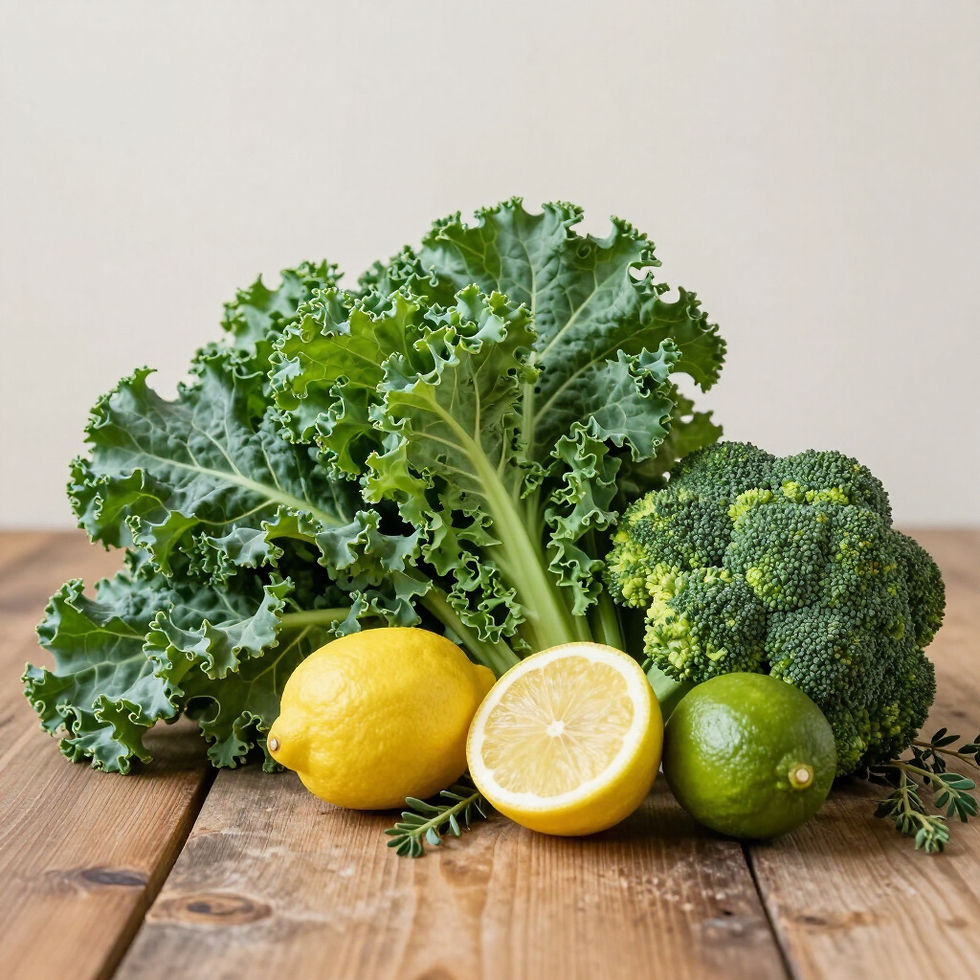
Eat a diet rich in fruits and vegetables: These foods contain antioxidants and fiber that may protect cells from damage.
Get vaccinated: Vaccines like HPV and Hepatitis B reduce the risk of cancers caused by infections.
Avoid exposure to harmful chemicals: Limit contact with carcinogens such as asbestos, benzene, and certain pesticides.
Practice safe sex and avoid risky behaviors: This reduces the risk of infections linked to cancer.
Schedule regular screenings: Early detection through mammograms, colonoscopies, and Pap tests improves outcomes.
Implementing these five steps can make a meaningful difference in your cancer risk profile.
The Role of Diet and Nutrition in Cancer Prevention
Your diet plays a significant role in cancer risk. Focus on:
Whole grains and fiber: These support digestive health and may reduce colorectal cancer risk.
Limiting processed and red meats: High consumption is linked to increased colorectal cancer risk.
Reducing sugar and refined carbs: These contribute to obesity, a known cancer risk factor.
Including healthy fats: Sources like olive oil and nuts support overall health.
Avoid fad diets or extreme restrictions. Instead, aim for balanced meals with a variety of nutrients.
Screening and Early Detection
Regular health screenings are vital for catching cancer early when treatment is most effective. Follow guidelines for:
Mammograms for breast cancer
Pap smears for cervical cancer
Colonoscopy for colorectal cancer
Skin checks for melanoma
Discuss your personal risk factors with your healthcare provider to determine the best screening schedule. Early detection can save lives.
Practical Steps You Can Take Today
You do not need to make all changes at once. Start with small, manageable steps:
Replace sugary drinks with water.
Take a daily walk or stretch.
Schedule your next health screening.
Use sunscreen before going outdoors.
Choose fruits or nuts for snacks.
Each step adds up to reduce your cancer risk over time. Remember, consistency matters more than perfection.
For more detailed information on cancer prevention strategies, visit trusted health resources.
Empowering Yourself Through Knowledge and Action
Taking control of your health through practical cancer risk reduction strategies empowers you. You can make choices that improve your quality of life and reduce uncertainty. Stay informed, seek support when needed, and maintain regular communication with your healthcare team.
Your efforts today contribute to a healthier future. Keep learning and adapting your habits as new information becomes available.
This post aims to provide clear, practical guidance to help you reduce your cancer risk. By focusing on achievable steps, you can navigate your health journey with confidence and knowledge.


Comments